How Music Lessons Improve Confidence in Children and Teens
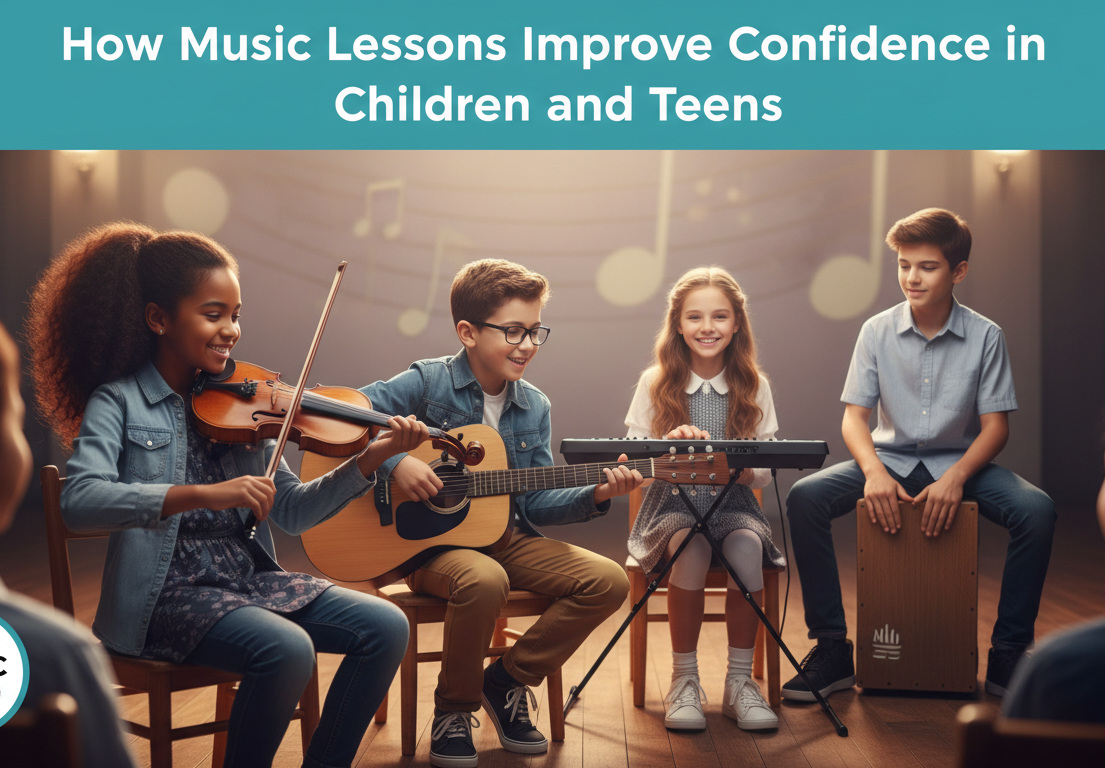
Confidence doesn’t appear overnight. It’s built through small, repeatable wins, and music lessons create those wins consistently. I’ve seen quiet children begin to speak up and nervous teens grow comfortable performing in front of others. That change isn’t accidental. It’s the natural result of structured learning, visible progress, and supportive instruction that music education provides.
Confidence Grows When Progress Is Visible
Many children struggle with confidence because their effort feels invisible, especially in school settings where results take time to show. Music lessons solve this by making progress obvious. A missed note turns into a correct one, timing improves, and songs slowly come together. When children can hear their improvement, they begin to trust their ability to learn. That trust builds confidence not only in music but also in academics, sports, and social situations, because they start believing that effort leads to results.
Music Lessons Teach Kids to Be Comfortable Struggling
Confident kids aren’t fearless; they’re comfortable working through difficulty. Music lessons normalize mistakes by incorporating them into the learning process. Missing notes, losing rhythm, or forgetting sections becomes an opportunity to slow down and improve, not a reason to quit. Over time, children learn that struggle doesn’t mean failure. This mindset reduces anxiety, builds resilience, and helps kids approach challenges with patience instead of frustration, which directly strengthens long-term confidence.
Performance Builds Real, Transferable Confidence
Confidence is strengthened when kids learn to perform under pressure, and music provides safe opportunities to do exactly that. Recitals and small performances teach children how to manage nerves, focus their attention, and follow through even when they feel uncomfortable. Completing a performance successfully reinforces the belief that they can handle difficult situations. This experience carries over into classroom presentations, social interactions, and future leadership roles, making performance-based music education a powerful confidence builder.
Structure and Routine Create Inner Confidence
Consistency plays a major role in confidence development, and music lessons introduce healthy structure into a child’s routine. Regular practice schedules, clear goals, and measurable improvement help children develop discipline and self-trust. When students know what effort looks like and see how consistency leads to progress, they begin to rely on their own abilities. This inner confidence is quiet but strong, and it supports emotional stability as children grow.
One-on-One Instruction Builds Personal Validation
Private music lessons provide individualized attention that many children and teens need to feel confident. Instead of being compared to others, students receive direct feedback based on their personal progress. Teachers can address challenges gently and highlight improvements that might otherwise go unnoticed. For teens especially, having a mentor who listens and encourages them builds self-worth and motivation. This personal validation strengthens confidence far more effectively than generic praise.
Music Gives Teens an Identity Beyond Screens
Teen confidence is often challenged by social media and constant comparison. Music offers an alternative by giving teens a skill they earn through practice and dedication. Identifying as a musician creates a sense of purpose and pride that isn’t tied to online validation. Whether they play piano, guitar, or drums, teens gain confidence from knowing they have a real ability that can’t be taken away or judged by likes and comments.
Why This Matters at Zoom Twin Cities Music School
At Zoom Twin Cities Music School, building confidence is an intentional part of every lesson. Structured teaching, supportive instructors, and clear progress tracking help students grow both musically and personally. Children don’t just learn how to play an instrument; they develop focus, resilience, and belief in themselves. Parents often notice improved posture, stronger communication, and greater willingness to take on challenges, which reflects the deeper impact of quality music education.
Final Thought
Confidence doesn’t come from being told you’re talented; it comes from doing hard things and realizing you can handle them. Music lessons create that experience week after week in a supportive and motivating environment. For children and teens, learning music isn’t just about notes and rhythms—it’s about building confidence that lasts well beyond the practice room.